Influencer Marketing for Restaurants India: The ROI Playbook That Converts Footfall
80% of restaurant-influencer collaborations in India generate zero measurable footfall. The problem is not the channel — it is the strategy. Here's the complete ROI playbook for premium restaurants.


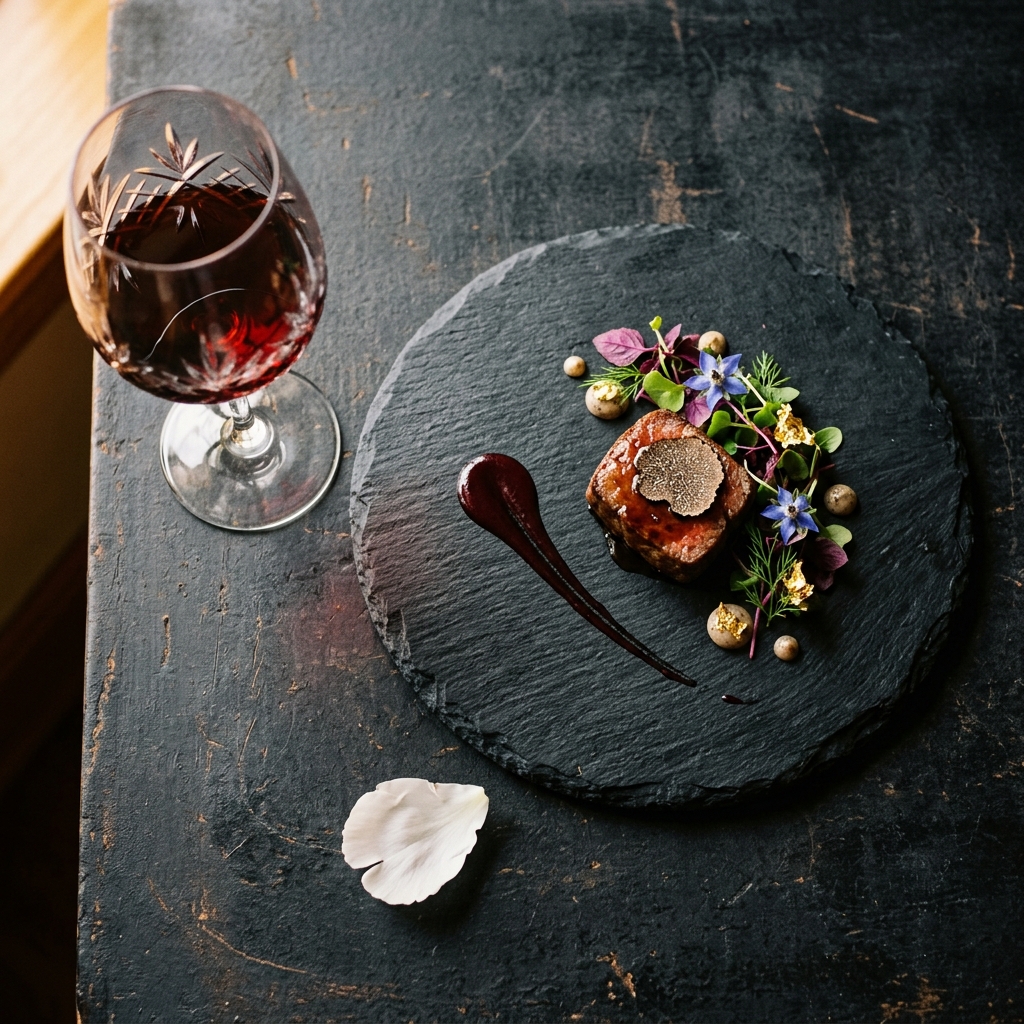
India's food influencer market crossed Rs. 3,600 crore in 2024 — and is projected to hit Rs. 5,500 crore by end of 2026. Yet the majority of premium restaurants spending on influencer collaborations are doing it wrong, measuring success in reach and reel views while their booking system stays quiet.
Here is the uncomfortable truth: 80% of restaurant-influencer collaborations in India generate zero measurable footfall. Not because influencer marketing does not work — it demonstrably does. A 2024-25 Restaurant Trend Report found that campaigns with local food creators generated an average 8x ROI and a 30% uplift in reservations within the first week of posting. The problem is not the channel. It is the strategy.
For a premium restaurant or fine dining concept, the stakes are higher. Your brand is not a Rs. 99 product — it is a Rs. 4,000 cover price, a curated ambience, and an experience that needs to reach guests who can afford it, appreciate it, and will return for it. A food blogger with two million followers who primarily reaches college students in Tier 2 cities is not your audience. A local food creator with 18,000 highly engaged followers in Bandra, Koramangala, or Hauz Khas is.
This guide gives you the complete influencer marketing playbook for India's premium restaurant segment: how to select the right creator, what to pay, which campaign formats drive reservations versus views, how to amplify influencer content into your highest-performing paid ads, and how to stay ASCI-compliant while doing it. By the end of this guide, every rupee you spend on influencer marketing will be pointed at a table, not a metric.
Why 80% of Restaurant Influencer Campaigns in India Fail to Convert Footfall
The Macro vs. Micro Decision Most Premium Restaurants Get Wrong
The instinct is understandable: a food creator with 800,000 followers feels like a reach multiplier. It looks impressive in a marketing report. But for a fine dining restaurant, this logic consistently destroys ROI.
Macro-influencers with 500,000 to 1 million followers typically deliver engagement rates of 1-2% on Instagram. Their audiences are heterogeneous — spread across cities, income brackets, and food preferences that have nothing to do with your Rs. 5,000 tasting menu. Micro-influencers with 10,000 to 50,000 followers deliver engagement rates of 3-7%. Nano-influencers with under 10,000 followers consistently achieve 6-12%. These represent the difference between a post that generates 500 passive likes and one that generates 300 genuine comments and saves — the engagement signals that precede a restaurant visit.
The Vanity Metrics Trap: Views and Likes Are Not Covers
A 30-second reel that gets 200,000 views and 1,500 likes is not a successful restaurant marketing campaign unless some of those viewers walked through your door. Reach is a media metric. Footfall is a business metric. Most restaurant influencer campaigns in India are measured by the wrong number.
The only metrics that matter for a fine dining influencer campaign are: reservation enquiries attributed to the post (via DM, WhatsApp, or unique promo code), website traffic spikes in the 48-72 hours following a post, and cover count change week-on-week after the collaboration. If your influencer partner cannot give you a promo code or a trackable link, you are flying blind. Learn how we track ROAS on restaurant campaigns.
Agency Insight — A fine dining client in Lower Parel ran a collaboration with a Mumbai food creator who had 420,000 followers. Cost: Rs. 65,000. Result: 8,200 reel views, 340 likes, zero promo code redemptions. Three weeks later, the same client ran a campaign with 4 micro-creators averaging 22,000 followers each. Cost: Rs. 40,000 total. Result: 47 promo code redemptions, 3 private dining enquiries, and a 31% footfall uplift in two weeks. The follower count told one story. The booking system told another.
Platform Mismatch: Why Fine Dining Lives on Instagram, Not YouTube Shorts
Platform selection is dictated by the category and the audience. Instagram Reels is the primary platform for cafes, fine dining, and premium F&B in India. YouTube Shorts and long-form reviews serve QSRs and street food chains better. For a fine dining restaurant, a 90-second cinematic Instagram Reel showing plating, ambience, and a genuine reaction to a signature dish performs consistently better than a 12-minute YouTube walkthrough. Stick to Instagram as your primary influencer channel; use YouTube only for brand-building with established critics reaching affluent, urban audiences.
The Fine Dining Influencer Selection Framework: How to Find the Right Creator
The 4-Point Audit Every Premium Restaurant Must Run Before Signing a Collaboration
Choosing a creator on follower count alone is the single most expensive mistake in restaurant influencer marketing. Before committing, run this four-point audit:
- Audience Location Verification: Ask for their Instagram Insights showing top 5 cities. For a Mumbai fine dining restaurant, at least 40% of the audience should be in Maharashtra. This one check eliminates 60% of unsuitable candidates.
- Engagement Rate Calculation: (Likes + comments on last 12 posts ÷ total reach) × 100. For food-niche micro-influencers, below 3% is a red flag; for nano-influencers, below 5% warrants scrutiny.
- Audience Income Signal: Do they feature predominantly premium venues (Rs. 1,500+ per cover), or all price points indiscriminately? You want a creator whose audience has a consistent preference for premium dining.
- Fake Follower Check: Sudden follower spikes with low engagement, a follower-to-following ratio under 1.5, or generic one-word comments signal purchased engagement. Run candidates through a free HypeAuditor or Influencity audit.
Pro Tip — The fastest way to identify genuine premium food creators in your city is through your own guests. Ask your front-of-house team which food creators have organically visited and posted without being paid in the last 6 months. These organic advocates are your highest-priority outreach targets.
India Influencer Pricing Benchmarks 2025-26: What You Should Actually Pay
| Tier | Followers | Rate / Reel | What You Get |
|---|---|---|---|
| Nano | 1K-10K | Rs. 1,000-12,000 | Hyperlocal reach, 6-12% engagement |
| Micro | 10K-50K | Rs. 7,500-35,000 | Sweet spot for fine dining, 3-7% engagement |
| Mid-Tier | 50K-200K | Rs. 35,000-1,50,000 | Brand building, better for launches |
| Macro | 200K-1M+ | Rs. 1,50,000-5,00,000+ | National reach, rarely converts local footfall |
The optimal budget allocation for reservation-driving campaigns: 70% to micro-creators in your city, 20% to nano-creators in your immediate neighbourhood, and 10% to one mid-tier creator for quarterly brand awareness. Note: ASCI-compliant Meta Partnership Ads add a 20-30% whitelisting fee, and GST-registered creators add 18% GST on top of collaboration fees.
The 5 Campaign Formats That Actually Drive Reservations
Format 1 — The Exclusive Menu Preview: Invite 2-3 micro-creators for a private, pre-launch tasting with the framing "I was invited to try this before anyone else." Exclusivity is the language your target guest understands. One Bengaluru restaurant saw 64 DM enquiries and 22 confirmed bookings in one week, selling out its launch weekend before the public announcement.
Format 2 — The Promo Code Collab: Give each creator a unique code — not a discount (which cheapens premium positioning) but an experience upgrade ("complimentary amuse-bouche from the chef"). This is the only fully trackable format. At Rs. 5,000 average cover and a Rs. 25,000 fee, you need just 5 cover-generating visits to break even.
Format 3 — Dark Post Amplification (the advanced strategy 95% miss): When a creator's reel performs well organically, run it as a paid ad from the creator's own handle via Meta Partnership Ads, targeting a precisely defined audience. IQFluence (2026) shows whitelisted content delivers 53% higher click-through rates and 2.4x higher conversion than standard brand-handle ads. This is where influencer marketing and performance marketing create the highest ROI in the playbook.
Format 4 — The Seasonal Campaign Series: A 90-day content calendar anchored to your seasonal menu and peak occasions (Valentine's, Diwali, New Year's Eve). Seeing your restaurant featured by three creators in the same 4-week window reads as social consensus, not advertising.
Format 5 — YouTube Long-Form for High-Value Occasions: For Rs. 6,000+ covers or private-dining revenue, an 8-12 minute review by a respected city critic serves the high-consideration diner planning a corporate dinner or milestone. Its 18-24 month shelf life delivers a cost-per-impression no other format matches.
Agency Insight — One of our highest-performing campaigns combined a micro-creator collaboration (Rs. 28,600 total incl. whitelisting) with Rs. 15,000 in Meta ad spend running the creator's reel as a Partnership Ad to HNI audiences in south and west Mumbai. Organic reach: 14,000. Paid reach: 89,000 within a 5 km radius. Reservation enquiries from that single asset: 38 over 14 days — an effective Rs. 1,147 per qualified enquiry.
ASCI Compliance in 2025: What Every Restaurant Must Know
The Advertising Standards Council of India (ASCI) updated its influencer guidelines in April 2025 and processed 1,409 influencer violations through November 2025 — 94% of them disclosure failures. A "material connection" is defined broadly: it includes not just cash, but any free meal, complimentary experience, discount, or barter. Even a Rs. 2,000 complimentary dinner that generates a post requires full disclosure.
The Consumer Protection Act (CCPA) now backs ASCI with penalties up to Rs. 10 lakh for influencers and Rs. 50 lakh for brands. Approved disclosure labels — #Ad, #Sponsored, #Collaboration, #Partnership, #FreeGift — must appear as the first visible text element in the caption (not buried in hashtags), and video content needs verbal disclosure in the first 10 seconds plus a persistent text overlay. Build ASCI compliance into your collaboration brief from the outset. Reference: ASCI guidelines.
Frequently Asked Questions
How much should a premium restaurant budget for influencer marketing in India?
Rs. 40,000-80,000 per month in creator fees covers 2-3 micro-creator collaborations and 1-2 nano posts. For major seasonal campaigns, increase to Rs. 1-1.5 lakh. If amplifying via Meta Partnership Ads, budget an additional Rs. 15,000-30,000 per month in paid media.
How do I measure ROI from influencer marketing for my restaurant?
Four metrics: promo code redemptions at booking (exact per-creator attribution), reservation DMs in the 48-72 hours post-post, website traffic spikes, and week-on-week cover count. Without a unique code or tracking mechanism per collaboration, you cannot measure ROI — build it into every agreement. Pair it with a WhatsApp follow-up system to capture enquiries.
Should a fine dining restaurant work with celebrity food influencers?
Only for brand-wide awareness (launch, rebrand, milestone) or when the celebrity's audience is demonstrably affluent and urban. For ongoing reservation-driving campaigns, micro-creators consistently outperform celebrity accounts for fine dining in India.
Is it legal to give a food blogger a free meal without disclosing it as an ad?
No. Under the ASCI Guidelines (updated April 2025), any material connection — including a complimentary meal — triggers mandatory disclosure. Failure can result in CCPA penalties up to Rs. 10 lakh for the influencer and Rs. 50 lakh for the brand.
Three Decisions That Separate a Restaurant's Influencer Investment From Its Competition
- Choose precision over scale. A micro-creator with 20,000 engaged city-specific followers drives more covers than a macro-creator with 800,000 dispersed ones.
- Measure with codes, not compliments. Every collaboration needs a unique promo code or trackable mechanism.
- Amplify what works. When a creator's reel performs organically, activate Meta Partnership Ads immediately — authentic creator content run as a paid ad to a targeted premium audience is the highest-performing restaurant marketing asset available in India today.
Ready to Build an Influencer System That Fills Your Tables?
If you run a fine dining restaurant or luxury hotel and you're tired of paying influencers for views that don't convert — let's fix that. ThePieCraft designs influencer playbooks for premium venues: the right creators, the right brief, the right amplification — engineered to fill covers, not impressions. Explore our social & influencer services or book a call.
Ready to apply these strategies?
We help luxury venues drive predictable direct revenue.