AI Search Is Replacing Google for Restaurant & Hotel Discovery — Here's How to Show Up in ChatGPT, Gemini & AI Overviews
Over a third of diners and travellers now ask AI directly instead of Googling. Here's exactly how restaurants and luxury hotels get recommended inside ChatGPT, Google AI Overviews, and Gemini in 2026 — and the SEO that makes it possible.


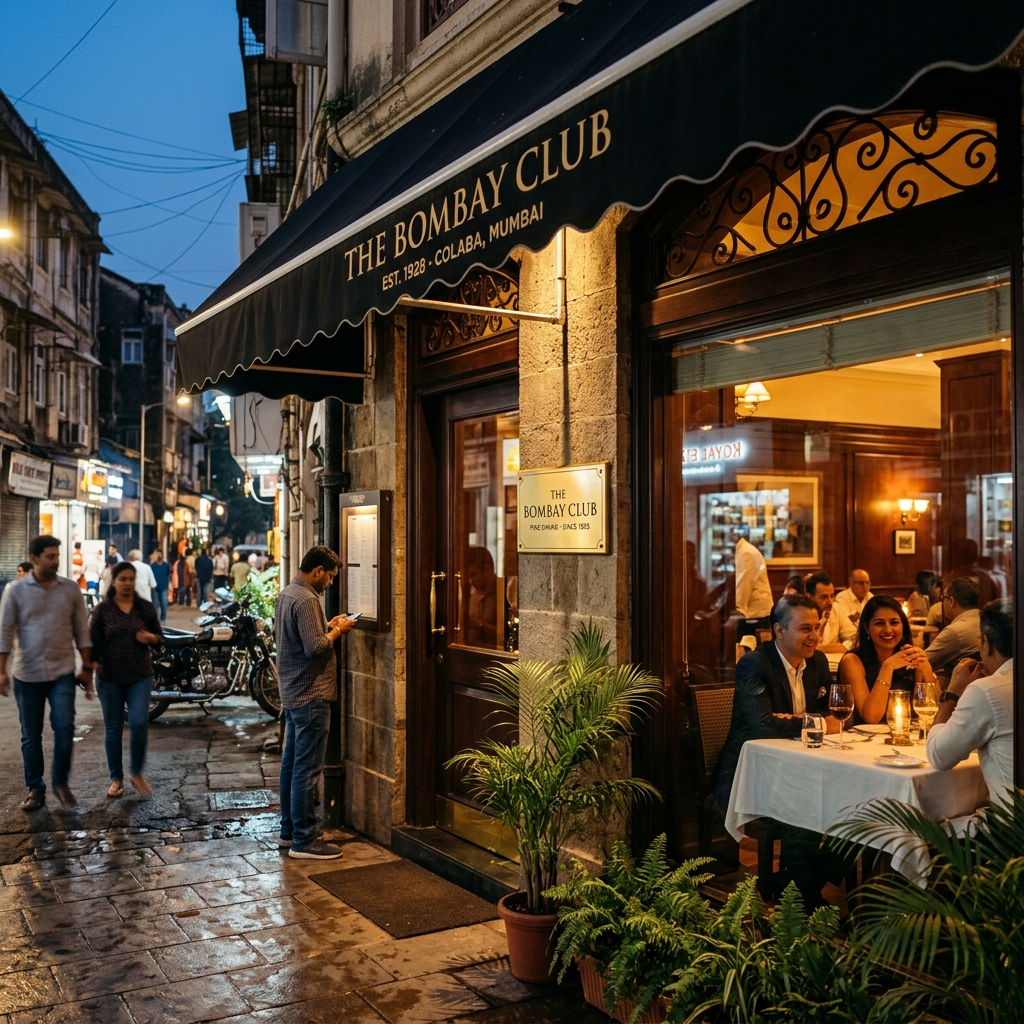
"Best rooftop restaurant in Bandra for an anniversary dinner." "Boutique luxury hotel near Lonavala with a good spa." Increasingly, these questions never touch a Google results page at all. They go straight to ChatGPT, Gemini, or Google's AI Overviews — and the answer a guest gets back is often the only "search result" they will ever see.
More than a third of leisure travellers now use generative AI tools to plan trips and make decisions before booking. For restaurants and luxury hotels, this is the most significant shift in discovery since the smartphone. If your venue isn't structured to be understood — and quoted — by AI models, you are becoming invisible to a fast-growing share of your highest-intent guests, no matter how well you rank on classic Google.
What Changed: From "10 Blue Links" to One AI Answer
Traditional SEO optimised for a ranking position on a results page a human would scroll through. AI search collapses that entire page into a single synthesized answer. The AI doesn't send the user to your website first — it reads your website (and dozens of others), decides what's true and relevant, and hands the user a recommendation directly. Sometimes with a link. Often without one.
This is why the discipline is increasingly called Generative Engine Optimization (GEO) rather than SEO. The goal is no longer just "rank higher" — it's "be the source the AI trusts enough to quote."
33%+
Of leisure travellers now use generative AI tools to plan trips and decide where to book
2026 travel industry data
How AI Models Decide Which Restaurant or Hotel to Recommend
AI search tools don't have opinions — they synthesise patterns from the content they can access and trust. For hospitality specifically, that means:
- Structured, machine-readable data: Schema.org markup (Restaurant, Hotel, LocalBusiness, FAQPage, Review) tells AI crawlers exactly what your venue is, where it is, what it costs, and what guests say — without ambiguity.
- Consistent facts across the web: Your name, address, cuisine, price range, and amenities need to match across your website, Google Business Profile, Zomato/Swiggy listings, and review platforms. Conflicting information erodes AI trust signals.
- Clear, quotable answers to specific questions: AI models favour content that directly answers a question in plain language — "What makes this restaurant good for anniversaries?" — over vague marketing copy.
- Recent, high-volume, high-quality reviews: Review recency and sentiment feed directly into how confidently an AI model recommends you. A stale review profile is now an SEO problem, not just a reputation problem.
- Topical authority: A site that has published deep, specific content on a subject (fine dining in a particular neighbourhood, direct hotel bookings, luxury hospitality trends) is treated as a more credible source than a thin brochure site.
★ AGENCY INSIGHT Every page we build at ThePieCraftMarketing ships with JSON-LD structured data by default — Organization, LocalBusiness, Article, FAQPage and BreadcrumbList schema, tied together with consistent @id references. This is exactly the machine-readable foundation AI search engines look for. It's also why our own Restaurant SEO & GBP guide and this blog are structured the way they are — we practice what we build for clients.
Five Steps to Get Recommended by AI Search in 2026
1. Get Your Structured Data Right
At minimum, your website needs valid Organization/LocalBusiness schema with your address, cuisine or property type, price range, and hours. If you publish content — blog posts, FAQs, guides — mark it up with Article and FAQPage schema so AI models can extract clean question-answer pairs directly.
2. Perfect Your Google Business Profile
Google's AI Overviews lean heavily on Business Profile data — hours, categories, attributes, Q&A, and photos. An incomplete or outdated profile is one of the fastest ways to be excluded from an AI-generated local recommendation entirely.
3. Publish Content That Answers Real Questions
Stop writing generic "About Us" copy and start answering the exact questions your best guests are asking an AI right now: "Is [restaurant] good for a business dinner?" "Does [hotel] have a private pool villa?" "What's the best luxury hotel near [location] for a honeymoon?" Structure content with clear H2/H3 questions and direct, factual answers underneath — the exact format AI models prefer to extract and quote.
4. Systematise Fresh, High-Quality Reviews
Ask for reviews after every high-value visit or stay, and respond to every review within 24 hours. Recency signals matter as much as volume — a venue with 40 reviews in the last 90 days is treated as more current and trustworthy than one with 400 reviews from three years ago.
5. Build Topical Depth, Not Just Page Count
AI models favour sources that demonstrate genuine expertise on a subject over sites with a handful of thin pages. A hospitality brand that publishes deep, specific guides — direct booking strategy, WhatsApp marketing, industry trend analysis — builds the kind of topical authority that gets cited, not just a homepage that gets ranked.
What This Means for Luxury Hotels Specifically
For luxury hotels, AI search intersects directly with the shift away from OTA dependence. A traveller who asks an AI assistant "best luxury hotel near Lonavala with a private pool" and gets your property recommended — with a direct link to your own booking page rather than an OTA listing — is a booking you keep at full margin. This is exactly why structured content and direct booking infrastructure now have to be built together. Our Direct Booking Strategy guide and luxury hotel marketing services are built around capturing exactly this moment.
Frequently Asked Questions: AI Search for Hospitality
What is Generative Engine Optimization (GEO)?
GEO is the practice of structuring content, data, and online presence so AI search tools like ChatGPT, Gemini, and Google AI Overviews can accurately understand and recommend your business — as distinct from traditional SEO, which optimises for ranking position on a search results page.
Does traditional SEO still matter if AI search is growing?
Yes — AI search tools are largely built on the same signals traditional SEO relies on: structured data, page authority, review quality, and content depth. Strong technical SEO is the foundation GEO is built on top of, not a replacement for it.
How do I know if my restaurant or hotel shows up in AI search results?
Ask ChatGPT, Gemini, and Google directly with the exact questions your guests would ask — "best fine dining restaurant in [your area] for [occasion]." If your venue isn't mentioned and a competitor is, that's a direct signal of where your structured data, reviews, or content depth needs work.
Can a small independent restaurant compete with big brands in AI search?
Yes, often more easily than in traditional paid search. AI models weigh topical relevance, structured data quality, and review authenticity — not ad budget. A well-optimised independent restaurant with genuine local authority can out-rank a larger chain in an AI-generated recommendation for a specific occasion or neighbourhood.
The Bottom Line: Structure for Machines, Write for Guests
AI search isn't a future trend to prepare for — it's already redirecting a meaningful share of your highest-intent guests before they ever see your website. The venues that win in 2026 are the ones that treat structured data, review velocity, and genuinely useful content as core infrastructure, not an afterthought bolted onto a marketing site.
Start this week: ask an AI assistant the exact questions your ideal guest would ask, see whether you're recommended, and if you're not, that's your priority list.
Want Your Venue Structured to Win AI Search?
ThePieCraftMarketing builds every client site with the structured data, content depth, and review systems that AI search engines and Google both reward. Book a free 30-minute strategy call and we'll show you exactly where your current online presence is invisible to AI — and how to fix it.
Ready to apply these strategies?
We help luxury venues drive predictable direct revenue.