10 Hospitality Marketing Trends Shaping Restaurants & Hotels in 2026
From AI-assisted search and zero-click discovery to direct-booking engines and short-form video — the 10 hospitality marketing trends every restaurant and luxury hotel in India should act on in 2026.

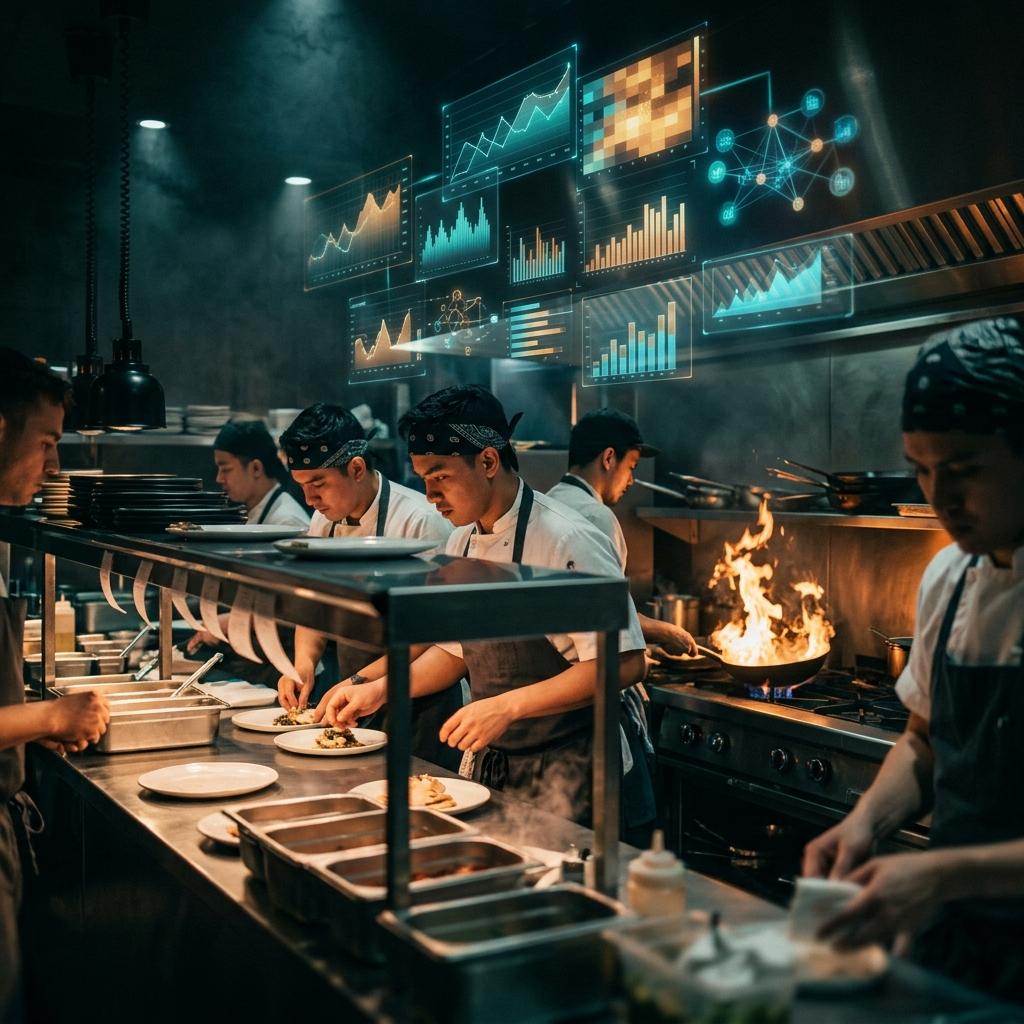
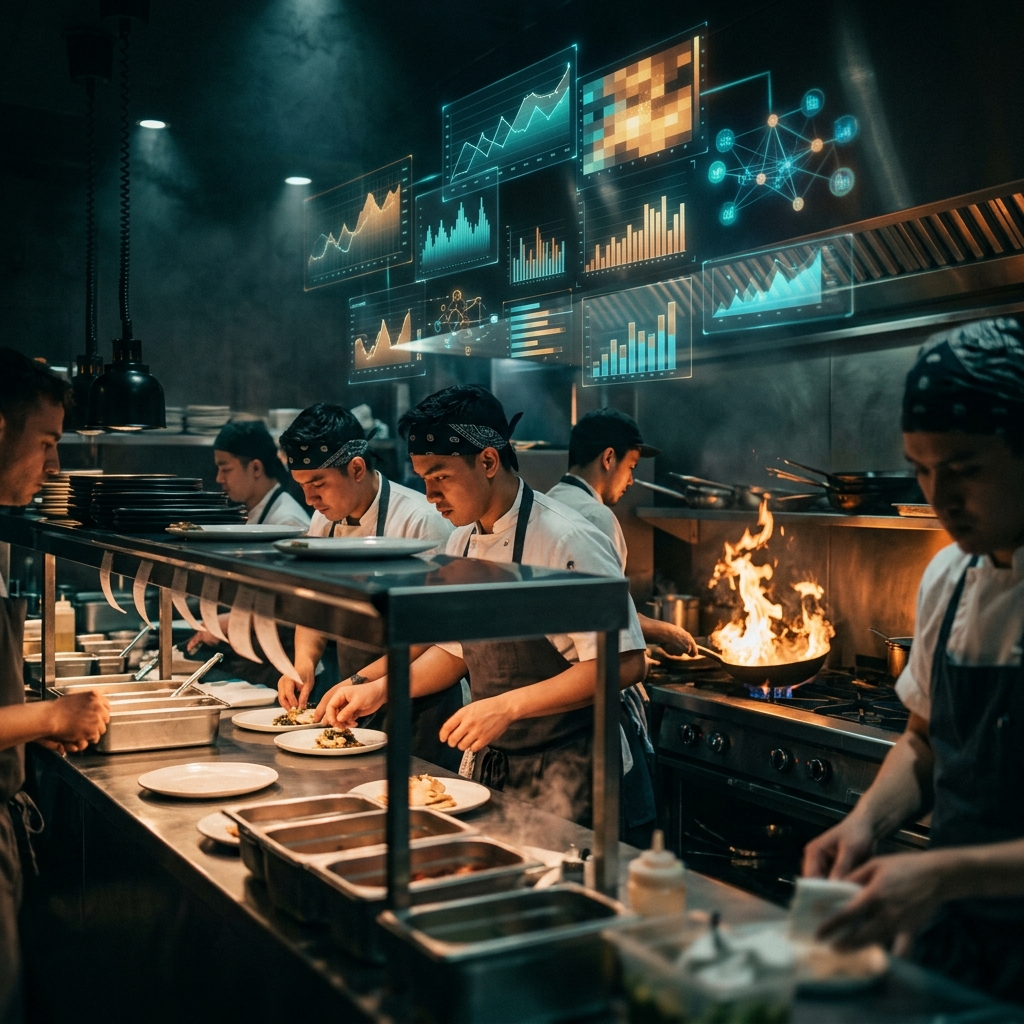
The way guests discover, evaluate, and book a restaurant table or a hotel room has changed more in the last eighteen months than in the previous decade. Search is being answered by AI before a user ever clicks. Short-form video decides where people eat on a Friday night. And commission-heavy platforms are being quietly displaced by properties that finally learned to own their demand.
This is a practical field guide, not a listicle. For each of the ten trends below, you will find what is actually changing, why it matters for a premium restaurant or luxury hotel in India, and one concrete action you can take this quarter. Wherever a trend connects to a deeper playbook we have already published, we have linked it.
1. AI Search & Zero-Click Discovery
Google's AI Overviews and assistants like ChatGPT increasingly answer "best rooftop restaurant in Bandra" or "luxury weekend stay near Lonavala" directly — without the user clicking a single website. This is the single biggest shift in hospitality discovery for 2026.
What to do: Structure your content so AI can quote it. Use clear question-and-answer formatting, add structured data, and keep your Google Business Profile impeccable. Our Restaurant SEO & Google Business Profile guide covers the exact schema and profile setup that gets venues surfaced in AI answers.
2. Direct Bookings Over OTA Commissions
Hotels are done handing 15–25% of every reservation to Booking.com and MakeMyTrip. In 2026 the smartest properties treat OTAs as a discovery billboard and convert the actual booking on channels they own — protecting margin on every room night.
What to do: Build a direct-booking engine — paid acquisition, a friction-free booking flow, and email/WhatsApp remarketing. We break the full system down in The Direct Booking Strategy for Luxury Hotels, and run it end-to-end as part of our luxury hotel marketing services.
3. Short-Form Video Is the New Menu
Instagram Reels, YouTube Shorts and the food side of every feed now drive more restaurant discovery among under-40 diners than any review site. A single well-shot dish clip can fill a slow weeknight; a weak one buries you.
What to do: Invest in cinematic, appetite-first content built around your peak booking windows. See our approach to cinematic content production for hospitality.
4. First-Party Data Beats Third-Party Targeting
With privacy changes eroding third-party cookies, the winners in 2026 are venues sitting on clean first-party data — past guests, reservation history, loyalty lists — which they turn into lookalike audiences and retargeting pools.
What to do: Capture guest emails and phone numbers at every touchpoint, then build audiences from your highest-spend guests. This is the foundation of every campaign we run.
5. Performance Marketing Held to Revenue, Not Reach
"We got 200k views" is no longer an acceptable report. In 2026, hospitality marketing is measured in covers, reservations, room nights and ROAS — not vanity metrics.
What to do: Track booking clicks and revenue, not likes. Our guide on how to track ROAS on restaurant Meta Ads shows the exact attribution setup.
6. WhatsApp as a Primary Booking Channel
In India, WhatsApp is where reservations actually get confirmed. In 2026 it moves from an afterthought to a core, automated revenue channel for both restaurants and hotels.
What to do: Set up WhatsApp Business with fast auto-replies and a booking flow. Full playbook: WhatsApp Marketing for Fine Dining & Hotels.
7. Hyper-Local & Geofenced Targeting
Precision beats reach. Geofencing competitor locations, targeting specific neighbourhoods (think BKC lunch crowds or South Mumbai heritage diners) and running micro-local campaigns delivers far higher intent than broad blasts.
What to do: If you are in Mumbai, our Mumbai restaurant marketing approach shows how neighbourhood-level targeting is built.
8. Experiences & Occasions Over Dishes
Guests book anniversaries, business dinners, and weekend escapes — not "a table." Campaigns organised around occasions convert dramatically better than menu-led creative.
What to do: Identify the one occasion your venue owns in the next 30 days and build a campaign around it.
9. Reputation & Reviews as a Ranking Signal
Recent, high-quality reviews on Google and Zomato now directly influence both local search ranking and AI-generated recommendations. Stale or thin review profiles quietly cost you covers.
What to do: Systematise review requests after every high-value visit and respond to every review within 24 hours.
10. Rising Ad Costs Reward Specialists
As Meta and Google ad auctions get more competitive, generalist agencies running templated campaigns bleed budget. Specialists who understand hospitality economics — cover value, RevPAR, reservation attribution — extract far more from the same spend.
What to do: Work with a hospitality-only partner. Avoid the common pitfalls in our 7 Meta Ads Mistakes Restaurants Make.
Frequently Asked Questions
What is the biggest hospitality marketing trend in 2026?
AI-driven, zero-click search. Guests increasingly get restaurant and hotel recommendations from AI answers before visiting any website, which makes structured content, Google Business Profiles, and strong reviews more important than ever for staying visible.
How should luxury hotels reduce OTA dependence in 2026?
By building a direct-booking engine — high-intent paid ads, a frictionless booking flow, and email/WhatsApp remarketing — so more revenue stays with the property. Our luxury hotel marketing services are built around exactly this.
Is short-form video worth it for fine dining?
Yes. Cinematic short-form video is now the primary discovery channel for premium dining among younger high-spend guests. The key is prestige-first, appetite-led production rather than casual clips.
The Bottom Line
Every trend above points to the same shift: hospitality marketing in 2026 rewards venues that own their demand, measure real revenue, and show up wherever guests are actually deciding — increasingly inside an AI answer or a video feed rather than a Google results page. The properties that adapt now will compound their advantage all year.
Want a 2026 Growth Plan for Your Venue?
ThePieCraft works exclusively with premium restaurants, cafés and luxury hotels across India. Book a free 30-minute strategy call and we will map which of these trends will move the needle fastest for your specific property.
Ready to apply these strategies?
We help luxury venues drive predictable direct revenue.