Performance Marketing for Restaurants to Increase Footfall & Online Orders: The Indian Playbook
Stop wasting marketing budget on vanity metrics. Here is the direct, performance-driven blueprint to increase footfall and online orders for your Indian restaurant.


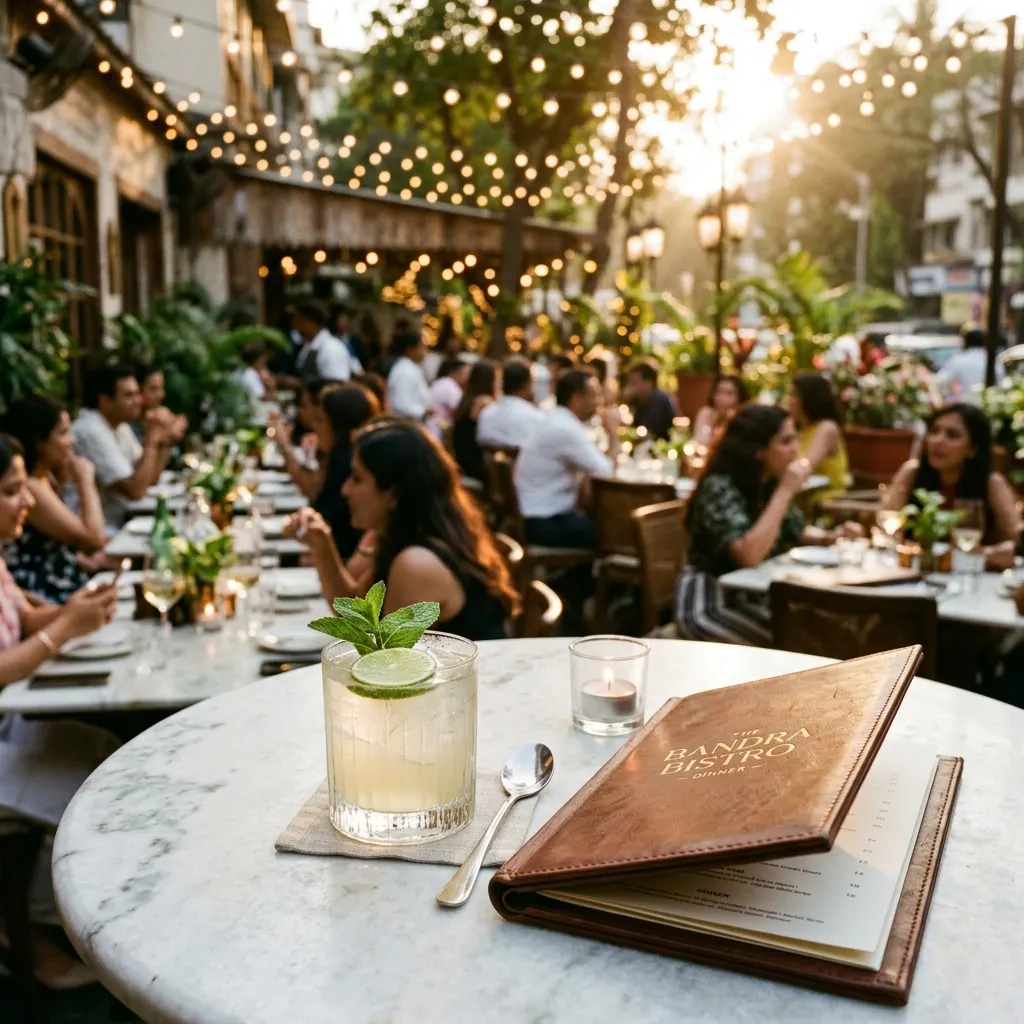
In the hyper-competitive culinary cities of Mumbai, Delhi, and Bengaluru, opening a beautiful dining room is only 20% of the battle. The remaining 80% is engineering a consistent, predictable guest acquisition engine. Many generalist marketing agencies in India talk about likes, followers, and organic impressions, but they rarely speak the language of gross table revenue, cover counts, or cost-per-acquisition (CPA). If you are starting from first principles, our complete guide to restaurant marketing in India covers the full landscape, and any unfamiliar terms below are defined in our hospitality marketing glossary.
Performance marketing for restaurants is a scientific process. It is about understanding who your ideal guest is, where they live, what peak dining hours they plan for, and how to reach them with high-stakes creative at the exact moment they are deciding where to dine. In our extensive Meta Ads Strategy guide, we demonstrate how this technical approach delivered a +220% Revenue growth for top-tier Indian establishments.
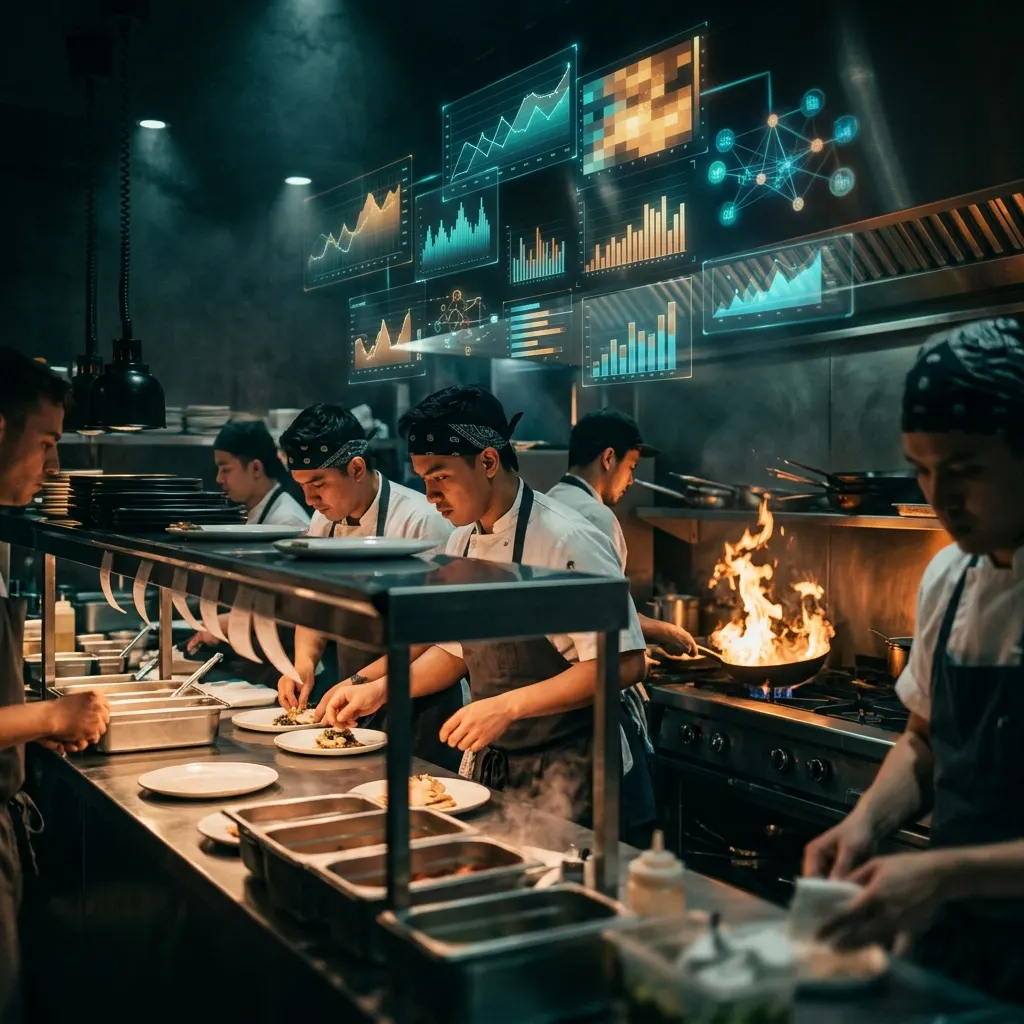
The Difference Between Vanity Metrics and Revenue Metrics
Before launching any Meta Ads or Google Ads campaign, a restaurant must shift its focus from vanity to revenue. 10,000 likes on an Instagram reel of your chef plating a dish is worthless if it doesn't result in table reservations. A robust performance marketing strategy optimizes entirely for the conversion event: a booked table, a click-to-WhatsApp enquiry, or an online order.
| Traditional PR / Print | Performance Marketing |
|---|---|
| Focuses on "Reach" and "Circulation" | Focuses on CPA, ROAS, and Direct Bookings |
| Untrackable revenue attribution | Dollar-for-dollar revenue tracking |
| High upfront costs with delayed ROI | Scalable budgets with daily optimization |
| Broad, untargeted audiences | Hyper-targeted (e.g., HNI zip codes) |
The 5 Pillars of F&B Performance Marketing
1. Radius Geofencing
If you are a restaurant located in BKC (Mumbai) or Connaught Place (Delhi), a broad geographic campaign covering the entire city is a waste of budget. High-net-worth individuals (HNIs) in South Mumbai or Juhu rarely travel to other zones on a weekday evening just for casual dining. Your targeting must be hyper-local. We limit our campaigns to a 3-5 km radius around the physical venue, ensuring every ad impression is served to someone close enough to actually convert tonight.
2. Competitor Conquesting
Drop coordinates directly over high-frequency competitor hubs to capture active dining intents. By targeting the zip codes of established luxury dining areas, you intercept diners who are already spending heavily in your category.
3. High-Net-Worth Intent Stacking
Filter targeting by luxury travel, fine dining, and specific premium credit card markers to ensure you only serve ads to high-value diners. This prevents your ads from being exhausted by bargain hunters and deal seekers, which is a common Meta Ads Mistake.
4. Frictionless Retargeting
A guest might see your ad at 11 AM while at work, but they won't book a table until 6 PM. Retargeting ensures you stay top-of-mind. We deploy dynamic retargeting that shows the exact menu items a user viewed, nudging them towards a direct booking via a seamless WhatsApp integration.
5. Combining Paid Social with Search Visibility
Paid social acts at the acquisition layer — creating desire through stunning video styling. But search optimization acts at the capturing layer. When an affluent guest searches for the 'best sushi in BKC,' your site must occupy the top position. Integrating paid media with advanced restaurant SEO creates a compound growth effect where you capture both active search intent and passive scrolling intent simultaneously.
Conclusion
Scaling a restaurant in India's top tier cities requires moving past vanity metrics. By implementing a strictly performance-based marketing infrastructure, your venue can accurately predict its weekend footfall, drastically lower its Cost Per Acquisition (CPA), and sustainably scale its bottom line.
Frequently Asked Questions
What is performance marketing for restaurants?
Performance marketing means every rupee of spend is measured against a commercial outcome — covers seated, reservations confirmed, orders placed — rather than reach or engagement. For a restaurant it usually combines Meta Ads, local SEO and a WhatsApp conversion layer, all judged on cost per cover instead of impressions or likes.
How much should an Indian restaurant spend on performance marketing?
Conventional guidance is 2–5% of revenue, with 8% treated as a warning zone. For a premium venue in a Tier 1 city, a realistic Meta Ads floor is ₹1.5–2 lakh per month, because below that the algorithm cannot gather enough conversion data to optimise. Judge the spend on cost per cover against your contribution margin, not on the percentage rule alone.
How is footfall tracked from digital campaigns?
Through unique reservation links, named offer codes, WhatsApp keywords and host-stand logging, combined with Meta's offline conversion uploads. Dine-in revenue is largely invisible to browser tracking, so attribution depends on capturing the signal at the point of arrival — which is an operational habit more than a technical one.
How quickly does restaurant performance marketing produce results?
Expect movement in cost per enquiry within 2–3 weeks and a fair read on the full structure at 6–8 weeks. Each ad set needs roughly 50 conversion events to exit Meta's learning phase, and changing budgets or creative every few days resets that learning — the most common reason campaigns underperform.
Ready to apply these strategies?
We help luxury venues drive predictable direct revenue.